
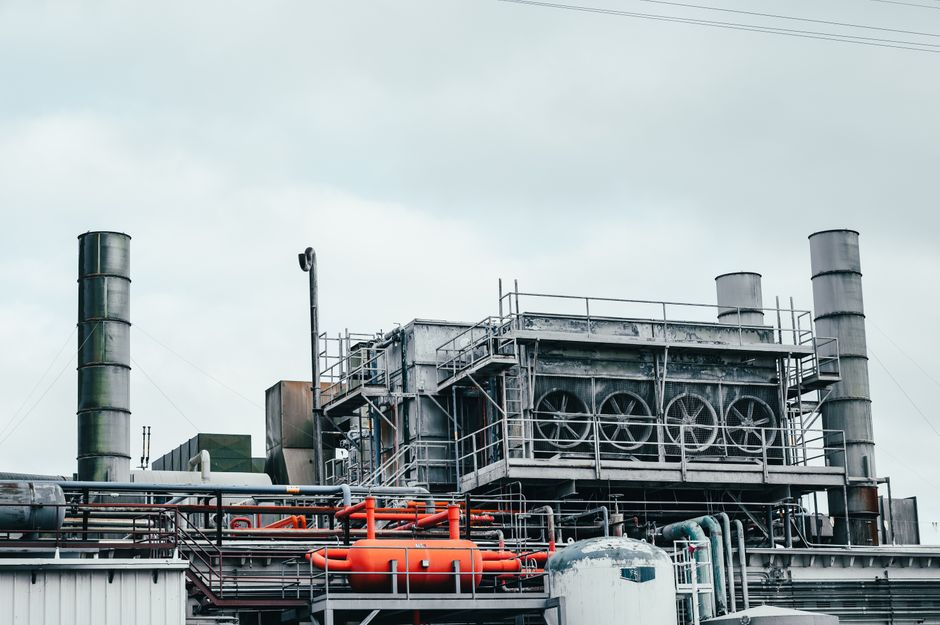
Maintaining industrial equipment for long-term reliability stands as one of the most critical challenges facing manufacturing facilities and processing plants worldwide. Equipment downtime costs the average manufacturing facility between 5% and 20% of its productive capacity annually, translating to millions in lost revenue for larger operations. The difference between facilities that achieve decades of consistent performance and those plagued by frequent breakdowns often comes down to systematic maintenance practices rather than the quality of equipment purchased. Industrial machinery represents a substantial capital investment, with major processing equipment often costing hundreds of thousands or even millions of dollars. Protecting this investment requires more than occasional attention when something breaks. It demands a comprehensive approach that addresses lubrication, inspection, environmental controls, and component replacement before failures occur. Modern industrial operations cannot afford the reactive mindset of repairing equipment only after it fails.
Preventive maintenance schedules that actually work
Creating an effective preventive maintenance schedule requires detailed knowledge of each piece of equipment in your facility. Start by gathering all manufacturer documentation and service manuals for your machinery. These documents typically specify lubrication intervals, filter replacement schedules, and inspection points that engineers designed specifically for that equipment model. Many facilities make the mistake of implementing generic maintenance schedules that treat all equipment similarly, but a centrifugal pump requires vastly different attention than a thermal processing unit. Develop individual maintenance protocols for each critical asset, documenting specific tasks, required tools, and estimated completion times. Schedule these tasks during planned downtime whenever possible to minimize production disruption. For continuous process operations, stagger maintenance activities across different production lines or shifts. Consider that bearing lubrication might require weekly attention, while seal inspection happens monthly and motor testing occurs quarterly. The key lies in documenting these schedules in a computerized maintenance management system that generates work orders automatically and tracks completion.
Critical components requiring regular attention
Certain equipment components demand closer attention because their failure triggers cascading problems throughout your operation. Sealing systems rank among the most critical, as leaks compromise both efficiency and safety. High-temperature applications present particular challenges for sealing materials, which is why experienced maintenance teams often specify mica gasket material for furnaces, boilers, and exhaust systems operating above standard temperature ranges. The layered structure of mica gasket material provides exceptional resistance to heat degradation while maintaining compression strength across thousands of thermal cycles. Rotating equipment components, including bearings, shafts, and couplings, require scheduled inspection and lubrication to prevent catastrophic failures. Vibration analysis helps detect bearing wear before audible noise or temperature increases become apparent. Electrical systems need regular thermographic scanning to identify loose connections and overloaded circuits before they cause equipment damage or facility fires. Hydraulic and pneumatic systems depend on clean, properly specified fluids maintained within acceptable pressure ranges. Contaminated hydraulic oil destroys pumps, valves, and cylinders remarkably quickly, often within months of introducing dirty fluid.
Temperature and environmental controls
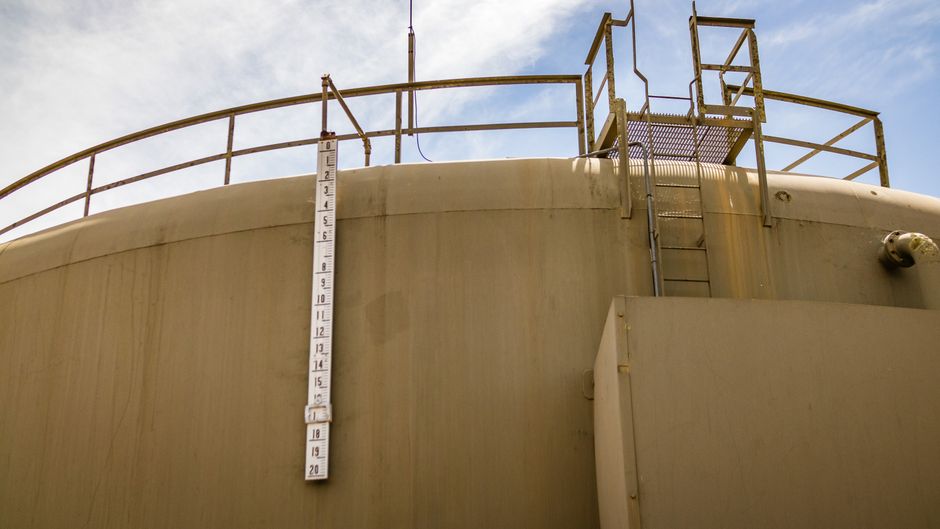
Industrial equipment performs best within specific temperature ranges, yet many facilities overlook environmental conditions as a maintenance factor. Motors and electronic controls generate heat during operation and require adequate ventilation or active cooling to prevent premature failure. Ambient temperatures above 40°C significantly reduce the lifespan of electrical insulation and electronic components. Conversely, equipment exposed to freezing temperatures may experience lubricant thickening, condensation formation, and material brittleness. Humidity control matters tremendously for equipment with exposed metal surfaces or electrical components. Relative humidity above 60% accelerates corrosion on machined surfaces and electrical contacts, while extremely dry conditions can generate static electricity problems in powder handling operations. Installing environmental monitoring equipment costs relatively little compared to replacing corroded machinery. Simple temperature and humidity sensors connected to data loggers provide early warning when conditions drift outside acceptable ranges. Dust and particulate contamination destroy equipment faster than most operators realize. Facilities processing cement, grain, minerals, or other powdered materials must implement aggressive housekeeping and filtration systems to protect equipment investments.
Selecting materials for demanding applications
Component material selection directly impacts maintenance requirements and equipment longevity. Standard gasket materials fail rapidly in high-temperature applications, necessitating frequent replacement and creating potential leak points. Engineers working on exhaust systems, steam lines, and thermal processing equipment frequently turn to mica gasket material because it maintains sealing integrity at temperatures exceeding 500°C where conventional materials would disintegrate. Understanding the specific demands of each application allows you to specify components that last longer and require less frequent intervention. Corrosive environments require stainless steel, specialty alloys, or protective coatings on standard materials. Chemical compatibility matters enormously in processing facilities where equipment contacts acids, solvents, or reactive compounds. A pump seal that works perfectly with water may dissolve within days when exposed to certain organic solvents. Abrasive materials demand hardened surfaces, ceramic coatings, or sacrificial wear components that you replace on schedule before they damage expensive primary equipment.
Working with knowledgeable suppliers
Building relationships with quality suppliers provides access to expertise that extends beyond simple parts procurement. A pro don‘t hesitate to ask technical questions when selecting replacement components or troubleshooting recurring failures. Experienced suppliers have seen similar applications across multiple facilities and can recommend solutions based on proven performance rather than theoretical specifications. They understand which manufacturer produces the most reliable version of a particular component and which alternatives represent false economy through premature failure. Technical sales representatives from quality suppliers function as extension engineers for your maintenance team, providing application guidance, installation recommendations, and troubleshooting support. These relationships prove invaluable when facing unusual challenges or implementing unfamiliar technologies. However, a pro don’t rely exclusively on a single supplier perspective. Develop relationships with multiple vendors for critical components to ensure competitive pricing and alternative options when primary sources experience supply disruptions. Maintain detailed records of component performance from different suppliers to guide future purchasing decisions with objective data rather than assumptions.
Documentation and continuous improvement
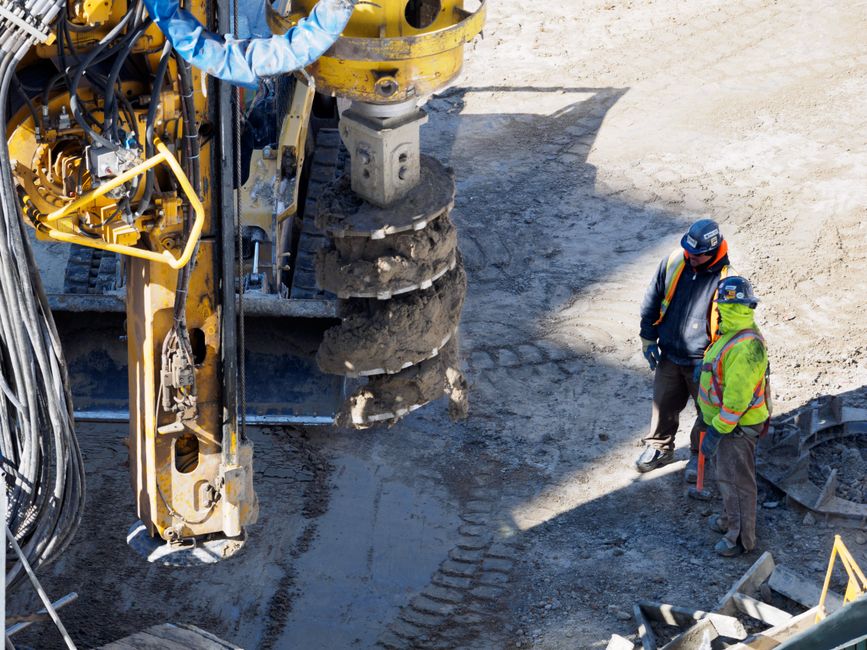
Comprehensive maintenance records transform maintenance from a necessary cost into a strategic advantage. Document every maintenance activity, including routine tasks, repairs, component replacements, and observed conditions. This information reveals patterns that allow you to optimize maintenance intervals and identify chronic problems requiring engineering solutions rather than repeated repairs. Digital documentation systems enable analysis impossible with paper records. You can quickly identify which equipment consumes disproportionate maintenance resources or which components from specific manufacturers consistently outperform alternatives. Track maintenance costs per operating hour for each major asset to calculate true ownership costs and inform replacement decisions. When equipment repeatedly requires expensive repairs, replacement becomes economically justified even if the machinery continues operating. Engage your maintenance technicians in continuous improvement discussions. These professionals interact with equipment daily and often recognize developing problems before they appear in formal inspections. Creating channels for technicians to report observations and suggest improvements taps valuable expertise that management otherwise overlooks.
Training investment pays lasting dividends
Equipment complexity continues increasing as manufacturers incorporate electronic controls, variable frequency drives, and integrated monitoring systems into industrial machinery. Your maintenance team requires ongoing training to service these sophisticated systems effectively. Manufacturer-provided training on specific equipment models delivers the most targeted knowledge, covering unique features, common failure modes, and proper service procedures. Industry association workshops and technical courses build broader competency in areas like vibration analysis, thermography, and ultrasonic testing. Cross-training maintenance personnel across multiple equipment types and skill areas creates flexibility when scheduling work and provides backup capabilities when specialists are unavailable. Younger technicians benefit tremendously from structured mentoring with experienced personnel who understand both the technical aspects and the practical wisdom gained through decades of troubleshooting. Maintaining industrial equipment for long-term reliability ultimately depends on combining technical knowledge, systematic processes, and organizational commitment to excellence. The facilities that achieve superior equipment longevity share common characteristics: detailed maintenance schedules actually followed, comprehensive documentation systems rigorously maintained, and continuous investment in training and improvement. This approach transforms maintenance from an afterthought into a competitive advantage that reduces costs, improves safety, and maximizes production capacity.
