
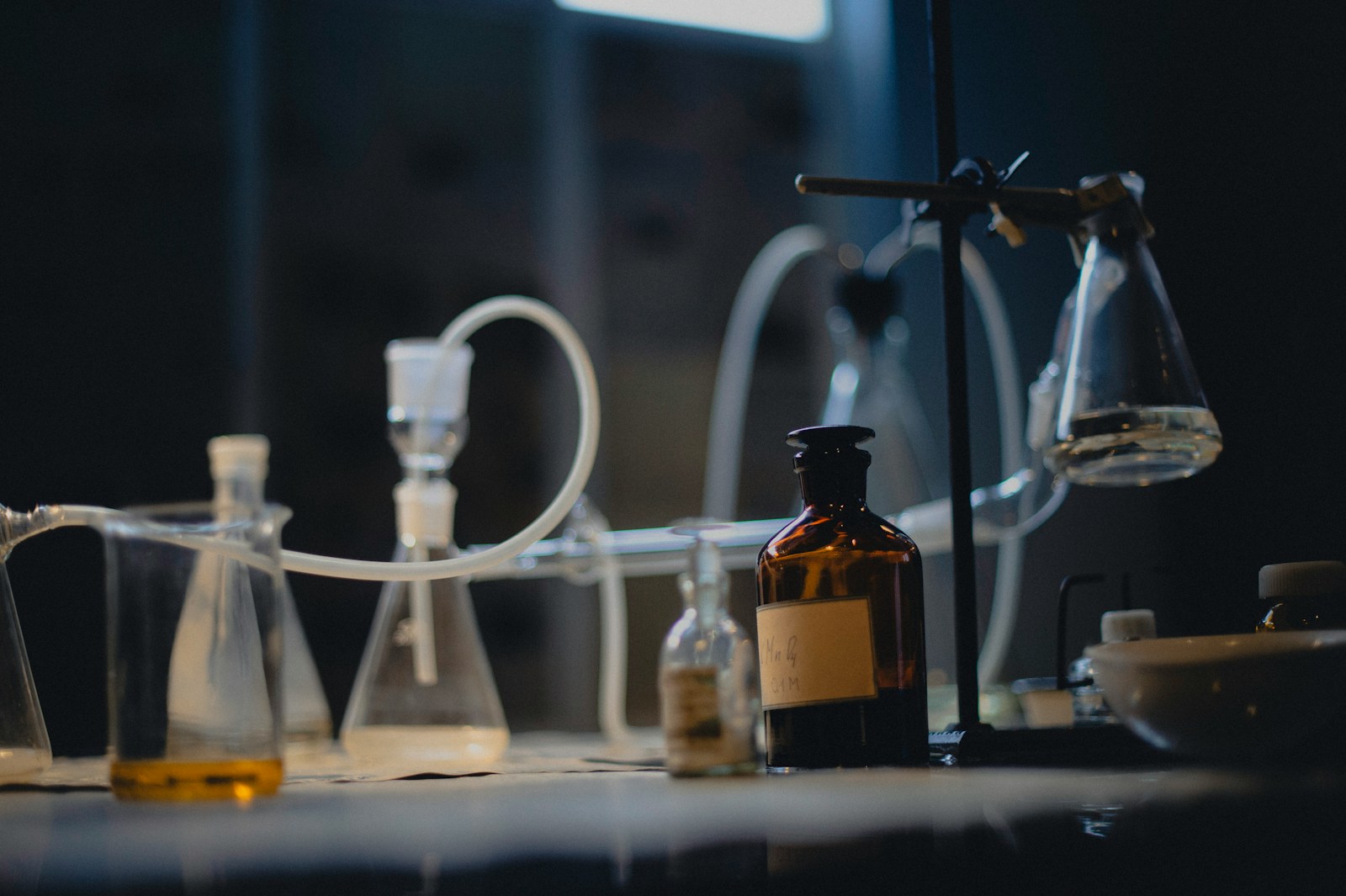
Selecting the right materials for chemical processing equipment represents one of the most critical decisions engineers and plant managers face in industrial operations. The consequences of poor material selection can range from equipment failure and costly downtime to catastrophic safety incidents that endanger workers and communities. Chemical processing environments expose materials to aggressive substances, extreme temperatures, and high pressures that test the limits of metallurgical performance. Understanding how different materials respond to these conditions forms the foundation of safe and efficient plant design.
The chemical processing industry handles thousands of different substances, each with unique corrosive properties. Concentrated acids, alkaline solutions, organic solvents, and oxidizing agents all attack materials through different mechanisms. Temperature significantly amplifies these effects, with corrosion rates typically doubling for every 10 degrees Celsius increase. Pressure adds another dimension of complexity, particularly in systems containing hydrogen, which can penetrate steel and cause embrittlement. Engineers must evaluate all these factors simultaneously when specifying materials for reactors, heat exchangers, piping systems, and storage vessels. A material that performs excellently with dilute sulfuric acid at room temperature might fail rapidly when exposed to the concentrated form at elevated temperatures.
Stainless steel alloys and their applications
Stainless steels remain the workhorse materials for chemical processing, offering an excellent balance of corrosion resistance, mechanical strength, and cost effectiveness. The austenitic grades, particularly 304 and 316, provide reliable service in many moderate environments. Type 316 contains molybdenum, which significantly improves resistance to chloride-induced pitting and crevice corrosion. For more aggressive conditions, duplex stainless steels combine the benefits of austenitic and ferritic structures, delivering higher strength and improved resistance to stress corrosion cracking. Super austenitic grades with increased nickel and molybdenum content handle even harsher environments where standard grades would fail within months.
The selection process requires detailed analysis of the specific chemicals involved. Stainless steels generally resist oxidizing acids well but suffer rapid attack from reducing acids unless alloyed appropriately. Chloride content deserves particular attention, as even small amounts can initiate localized corrosion at elevated temperatures. Many plants have experienced unexpected failures because they underestimated chloride contamination from process streams or cooling water. Temperature limits also matter significantly, with standard austenitic grades experiencing carbide precipitation between 425 and 815 degrees Celsius if not properly stabilized. This sensitization creates paths for intergranular corrosion that compromise structural integrity. Engineers often specify low-carbon or stabilized grades like 316L or 321 for welded equipment to prevent this issue.
Specialized alloys for extreme conditions
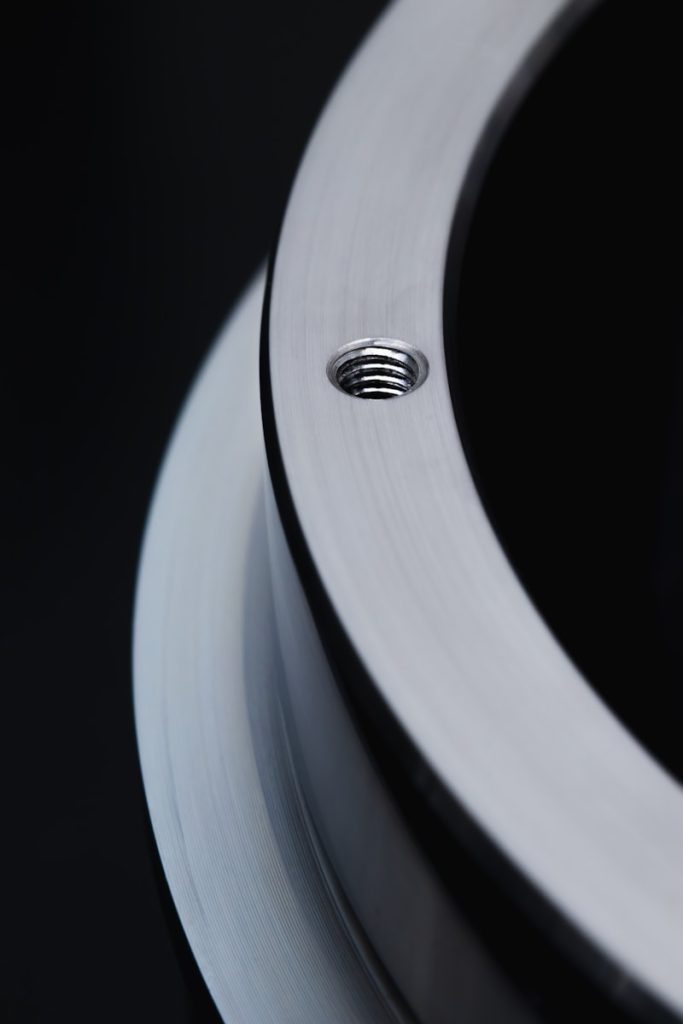
When stainless steels prove inadequate, nickel-based alloys provide solutions for the most demanding chemical processing applications. Alloys like Hastelloy, Inconel, and Monel resist combinations of corrosive chemicals and high temperatures that would destroy other materials within days. These materials come at substantially higher costs, with some nickel alloys costing ten times more than standard stainless steel. However, their extended service life and reduced maintenance requirements often justify the investment. Hastelloy C-276, for example, handles mixed acids, chlorine compounds, and high-temperature oxidizing environments that would rapidly corrode stainless steel.
Titanium offers another specialized option, particularly for chloride-containing environments and oxidizing acids. Its passive oxide film regenerates instantly when damaged, providing exceptional resistance to pitting and crevice corrosion. The pharmaceutical and chlor-alkali industries rely heavily on titanium equipment despite its higher material cost. Zirconium performs similarly to titanium but with superior resistance to some specific acids, including sulfuric acid at intermediate concentrations. Both materials require careful handling during fabrication, as contamination or improper welding procedures can compromise their corrosion resistance. The aerospace origins of these materials mean fabrication expertise may be limited compared to more common alloys.
Metal gaskets and sealing considerations
Sealing systems represent critical points where material selection directly impacts plant safety and environmental compliance. Metal gaskets provide reliable sealing in high-temperature and high-pressure applications where softer materials would fail or degrade. These gaskets typically use stainless steel, Inconel, or other alloys matched to the process fluids and operating conditions. The choice between spiral wound, ring joint, or solid metal designs depends on flange type, pressure rating, and temperature extremes. Metal gaskets maintain their integrity across thermal cycles that would damage elastomeric or composite alternatives, making them essential for processes involving temperature swings.
Proper installation techniques significantly affect metal gasket performance. Bolting procedures must achieve uniform compression without exceeding the yield strength of the gasket material. Many facilities use hydraulic tensioning equipment to ensure consistent bolt loads across large flanges. Surface finish requirements also demand attention, with metal gaskets requiring smoother flange faces than soft gaskets. The combination of appropriate gasket selection and proper installation prevents fugitive emissions that violate environmental regulations and waste valuable process materials. Gasket failures account for approximately 80 percent of leak incidents in chemical plants, highlighting the importance of this often-overlooked component.
Non-metallic materials in chemical service
Fluoropolymers like PTFE and PFA provide chemical resistance that surpasses even the most exotic metals in many applications. These materials resist virtually all chemicals except molten alkali metals and elemental fluorine. Their non-stick properties prevent fouling and facilitate cleaning in processes handling viscous or polymerizing substances. Limitations include lower temperature ceilings, typically around 260 degrees Celsius for PTFE, and mechanical properties that require support from metal substrates. Lined equipment combines the chemical resistance of fluoropolymers with the structural strength of steel or other metals.
Glass-lined steel vessels serve the pharmaceutical and specialty chemical industries where product purity requirements are paramount. The inert glass surface prevents metal contamination and resists most acids effectively. However, glass linings are vulnerable to thermal shock and mechanical damage from dropped tools or aggressive agitation. Even small chips in the lining expose the underlying steel to rapid corrosion. Regular inspections using specialized equipment detect early damage before major failures occur. Rubber and elastomer linings provide abrasion resistance and protect against some chemicals at moderate temperatures. These systems work well for slurries and particulate-laden streams that would erode metal surfaces.
BA 203 and material testing protocols
Material selection decisions should never rely solely on published corrosion data or theoretical compatibility charts. Real-world conditions often differ from laboratory tests due to impurities, temperature variations, or synergistic effects between multiple chemicals. Testing protocols like ba 203 provide standardized methods for evaluating material performance under controlled conditions. These tests expose material samples to specific chemicals at defined temperatures and concentrations, measuring corrosion rates through weight loss or thickness reduction. Testing durations typically range from several weeks to months, depending on expected service conditions and acceptable corrosion rates.
Electrochemical testing techniques complement immersion tests by accelerating corrosion processes and revealing susceptibility to localized attack. Potentiodynamic polarization scans identify the breakdown potential where pitting initiates, while cyclic tests simulate the effects of process fluctuations. Many companies maintain dedicated corrosion laboratories that reproduce plant conditions at smaller scales. These facilities test new materials before full-scale implementation and investigate failures when they occur. The ba 203 testing approach has prevented countless premature failures by revealing incompatibilities that generic corrosion tables might miss. Custom testing becomes especially important for proprietary chemical formulations or processes involving multiple chemicals simultaneously.
Economic considerations and life cycle analysis
Material selection ultimately balances technical performance against economic realities. Initial equipment costs represent only one component of total ownership expenses. Maintenance frequency, expected service life, and replacement costs significantly impact long-term economics. A reactor built from Hastelloy might cost three times more than one constructed from stainless steel, but if it lasts twenty years instead of five, the annualized cost becomes favorable. Unplanned shutdowns for equipment replacement can cost millions in lost production, particularly in continuous processes operating near capacity.
Life cycle analysis should include energy consumption related to material choice. Corrosion products can foul heat transfer surfaces, reducing thermal efficiency and increasing utility costs. Lighter materials may reduce structural support requirements, lowering construction costs. Recyclability matters increasingly as sustainability concerns influence purchasing decisions. Stainless steels and many exotic alloys maintain significant scrap value, offsetting disposal costs at end of life. These factors create a complex optimization problem where the lowest initial cost rarely produces the best overall value. Selecting the right materials for chemical processing equipment requires comprehensive evaluation of all these economic dimensions alongside technical requirements. Investment in appropriate materials protects both capital assets and the people who work with them daily.
