
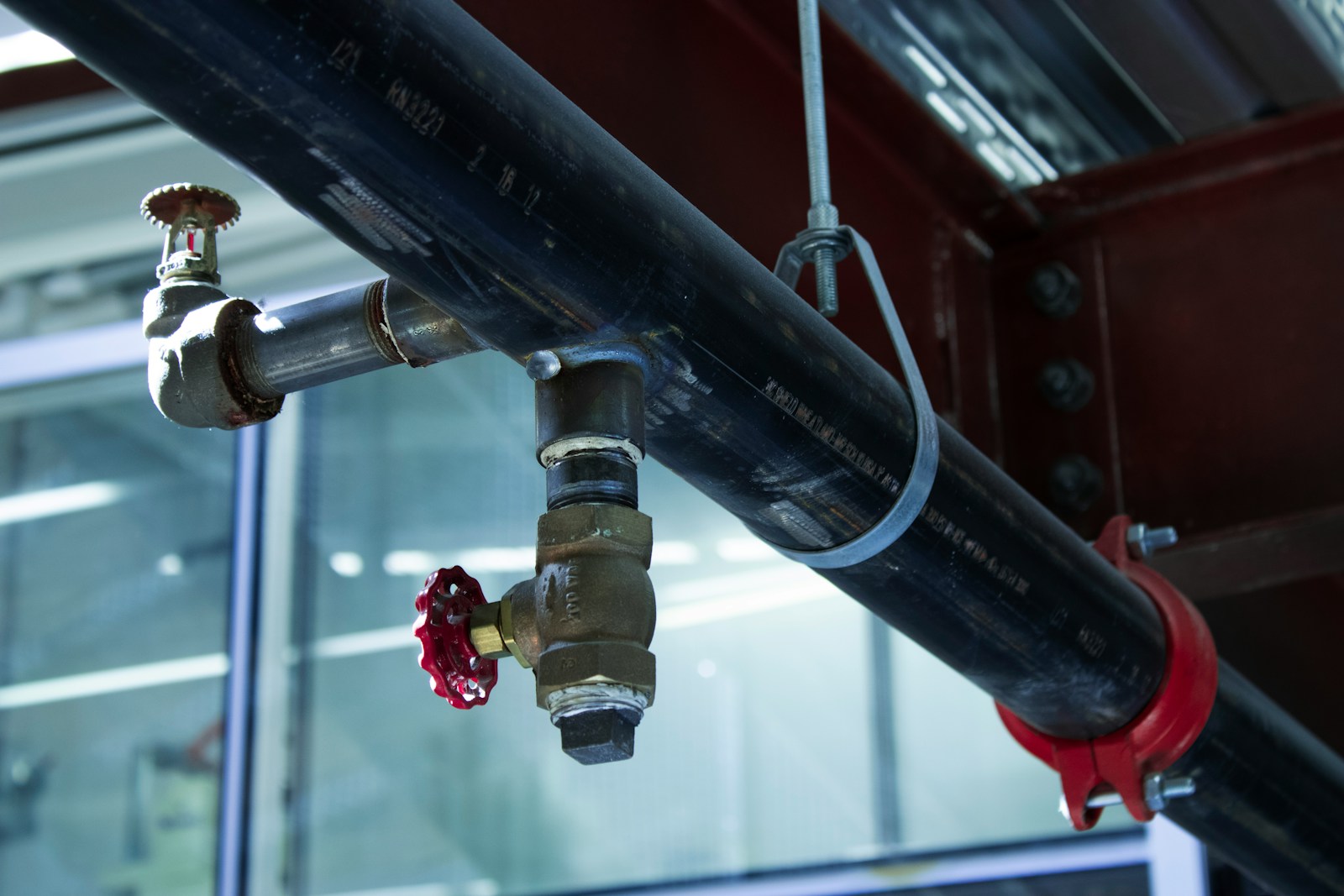
Designing reliable industrial piping systems for maximum performance requires a comprehensive understanding of fluid dynamics, material science, and operational demands. Industrial facilities across manufacturing, petrochemical, and processing sectors depend on piping networks that transport liquids, gases, and slurries under varying pressures and temperatures. A well-designed system minimizes downtime, reduces maintenance costs, and ensures worker safety while maximizing throughput. The consequences of poor design can be severe, ranging from minor leaks to catastrophic failures that halt production for weeks. Engineers must balance initial installation costs against long-term reliability, considering factors such as material selection, joint integrity, support structures, and thermal expansion. Modern industrial environments demand systems that operate continuously for years without significant intervention, making the design phase critical to overall success.
Material selection drives system longevity
Choosing the right materials forms the cornerstone of any reliable piping system. Carbon steel remains the most common choice for general-purpose applications, offering excellent strength at temperatures up to 400 degrees Celsius while maintaining cost-effectiveness. Stainless steel grades like 316L provide superior corrosion resistance in chemical processing environments, though at two to three times the cost of carbon steel. For highly corrosive applications, exotic alloys such as Hastelloy or titanium may justify their premium pricing through extended service life. Wall thickness calculations must account for internal pressure, external loads, and corrosion allowances, typically adding 3 to 6 millimeters beyond minimum requirements. Material certificates and mill test reports verify chemical composition and mechanical properties, ensuring compliance with standards like ASME B31.3 for process piping. The ba u specification often appears in procurement documents to define specific surface finish requirements for certain applications. Temperature fluctuations exceeding 50 degrees Celsius necessitate expansion loops or flexible connections to prevent stress accumulation at fixed points.
Joint integrity through proper sealing technology
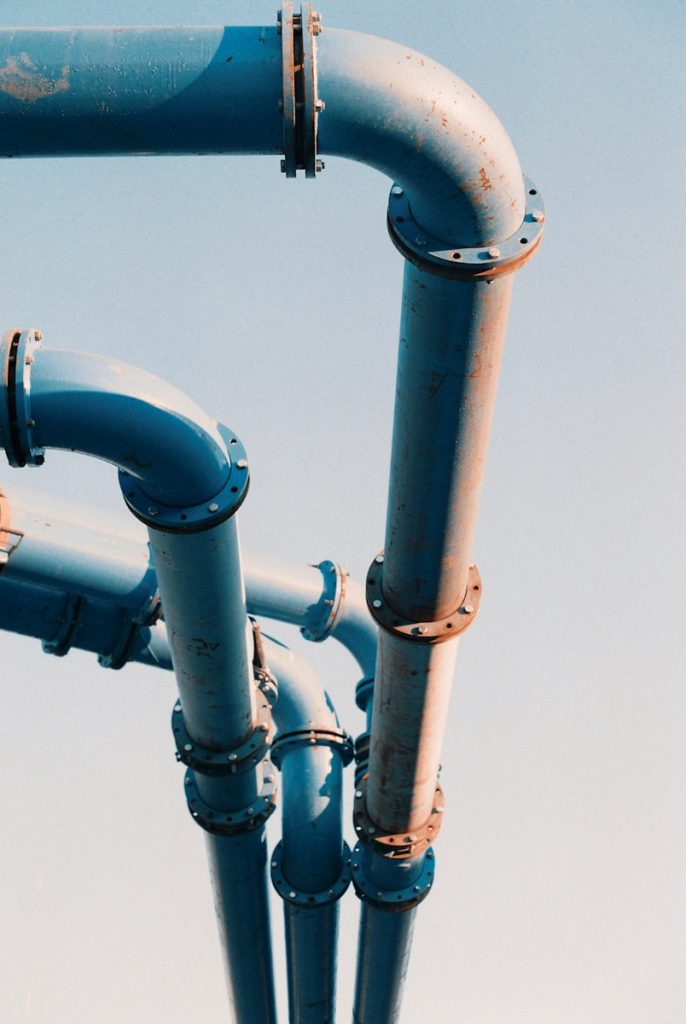
The connection points between pipe segments represent the most vulnerable areas in any piping system. Welded joints provide the strongest and most leak-proof connections, with full penetration welds inspected through radiography or ultrasonic testing achieving reliability rates above 99.9 percent. Flanged connections offer flexibility for maintenance access but require meticulous attention to bolt torque sequences and gasket selection. Metal gaskets excel in high-temperature and high-pressure applications where conventional elastomer seals would fail, maintaining their sealing capability at temperatures exceeding 800 degrees Celsius. Spiral wound gaskets combine metal winding strips with filler material, creating a resilient seal that accommodates minor flange irregularities. Ring joint gaskets machined from solid metal provide the ultimate sealing solution for extreme conditions in oil and gas applications, requiring precisely machined grooves in companion flanges. Threaded connections suit smaller diameter pipes under 50 millimeters, though proper thread sealant application remains essential. The ba u surface treatment on flange faces ensures optimal contact with sealing elements, particularly when metal gaskets are specified for critical services.
Pressure drop calculations and flow optimization
Minimizing pressure loss through proper sizing stands as a fundamental principle in designing reliable industrial piping systems for maximum performance. Every elbow, tee, valve, and length of straight pipe contributes resistance to flow, consuming energy and reducing system efficiency. The Darcy-Weisbach equation provides accurate pressure drop predictions, factoring in pipe diameter, length, fluid velocity, and friction factors. Increasing pipe diameter by one size reduces pressure drop by approximately 30 percent but increases material costs by 15 to 20 percent, requiring economic analysis to determine optimal sizing. Flow velocities between 1.5 and 3 meters per second generally balance erosion concerns against pressure drop for liquid systems, while gas velocities may reach 15 to 30 meters per second depending on density. Long-radius elbows reduce turbulence compared to standard elbows, decreasing pressure loss by up to 40 percent in critical applications. Computer fluid dynamics software enables detailed modeling of complex piping networks, identifying bottlenecks before construction begins.
Support and stress analysis considerations
Proper pipe support prevents sagging, vibration, and stress concentration that lead to premature failures. Support spacing depends on pipe diameter, wall thickness, and fluid density, with typical intervals ranging from 3 meters for small-bore piping to 7 meters for large-diameter lines. Spring hangers accommodate thermal expansion in elevated temperature systems, maintaining constant support force throughout operating cycles. Anchor points resist thermal growth forces, requiring substantial structural reinforcement to prevent movement. Stress analysis using software like CAESAR II evaluates loads from weight, pressure, thermal expansion, and seismic events, ensuring stresses remain within allowable limits defined by piping codes. Flexibility analysis becomes critical when temperature differences exceed 100 degrees Celsius between ambient and operating conditions. Vibration from rotating equipment or pulsating flow necessitates dampening devices or routing changes to prevent fatigue failures at welds and connections.
Valve selection and placement strategy
Strategic valve placement enables operational flexibility and maintenance access while maintaining system reliability. Isolation valves at equipment connections allow component removal without complete system shutdown, reducing maintenance downtime by 60 to 80 percent compared to systems lacking proper isolation. Gate valves suit on-off service with minimal pressure drop in the fully open position, while globe valves provide throttling capability for flow control applications. Ball valves offer quarter-turn operation and tight shutoff, making them ideal for frequent operation cycles. Check valves prevent backflow that could damage pumps or contaminate processes, with spring-loaded designs providing faster closure than swing types. Relief valves protect against overpressure conditions, sized according to ASME Section VIII calculations to discharge sufficient volume at set pressure. Actuated valves enable remote operation and integration with control systems, supporting automated processes that improve consistency and safety.
Quality control and testing protocols
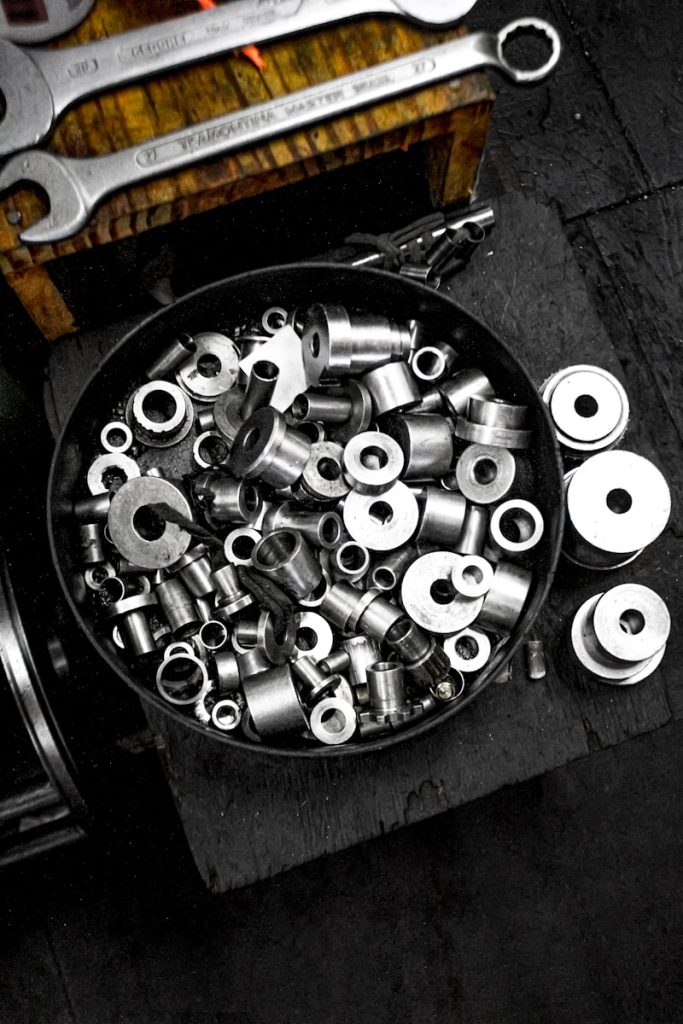
Rigorous inspection and testing throughout construction verifies that designing reliable industrial piping systems for maximum performance translates into physical reality. Weld radiography detects internal defects invisible to visual inspection, with acceptance criteria requiring porosity and slag inclusion limits below 5 percent of weld thickness. Hydrostatic testing at 1.5 times design pressure for minimum two hours confirms structural integrity before commissioning. Pneumatic testing offers an alternative for systems that cannot tolerate water contamination, though safety precautions intensify due to stored energy risks. Dye penetrant testing reveals surface cracks in non-magnetic materials, while magnetic particle inspection serves ferromagnetic materials. Documentation packages including material certificates, weld maps, and test reports provide traceability for future maintenance and regulatory compliance. Pre-commissioning activities such as flushing remove construction debris that could damage equipment or restrict flow, with filtration targets typically set at 100 microns for general service.
Industrial piping systems represent significant capital investments that must deliver decades of reliable service. By applying rigorous engineering principles to material selection, joint design, stress analysis, and quality control, facilities achieve the performance and longevity that modern operations demand. The integration of proven technologies with emerging monitoring capabilities positions well-designed systems to meet evolving industrial challenges while maintaining safety and efficiency standards.
