
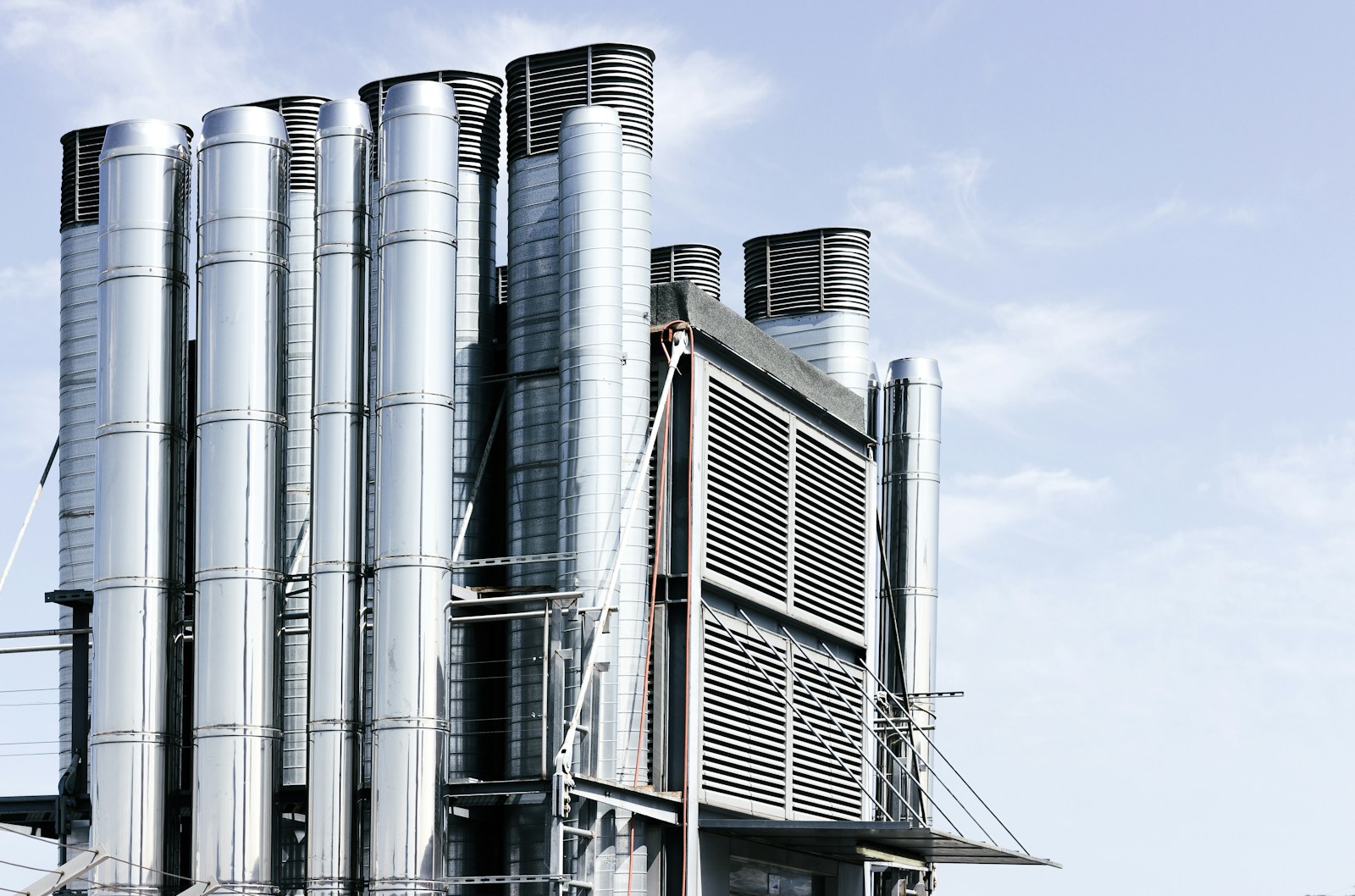
Power generation facilities and thermal systems represent critical infrastructure that demands constant attention to performance optimization. Maintaining efficiency in power generation and thermal systems requires a comprehensive approach that addresses mechanical integrity, thermal management, and operational reliability. The cost of inefficiency in these systems extends beyond wasted fuel, encompassing equipment degradation, unplanned downtime, and environmental impact. Modern industrial operations cannot afford to overlook the subtle but significant factors that influence system performance, particularly at the component level where seemingly minor issues can cascade into major operational problems.
The foundation of thermal system reliability
Every thermal system depends on its ability to contain fluids and gases under varying temperature and pressure conditions. The integrity of sealed joints determines whether a boiler, heat exchanger, or steam turbine operates at peak efficiency or slowly bleeds energy through leaks. Studies indicate that even small leaks in steam systems can waste thousands of dollars annually in lost energy, with a quarter-inch leak potentially costing over fifteen thousand dollars per year in a typical industrial setting. Sealing technology has evolved considerably, offering plant operators sophisticated solutions that match specific operational demands. Traditional compressed fiber materials served adequately for decades, but modern high-temperature applications require specialized approaches that balance compressive strength with thermal stability.
Selecting appropriate sealing solutions for extreme conditions
High-temperature applications in power generation create unique challenges for sealing materials. Mica gasket material provides exceptional performance in environments where temperatures exceed the capabilities of conventional organic gaskets, withstanding continuous exposure to temperatures approaching one thousand degrees Fahrenheit. This naturally occurring mineral exhibits remarkable dimensional stability under thermal cycling, maintaining its sealing integrity even as equipment expands and contracts during startup and shutdown procedures. Power plants utilizing steam turbines, exhaust systems, and high-temperature piping benefit significantly from this material’s resistance to thermal degradation. The layered structure of mica gasket material allows it to conform to slight surface irregularities while maintaining structural integrity under bolt loads, creating reliable seals that endure harsh operating conditions without frequent replacement.
Understanding material selection for diverse applications
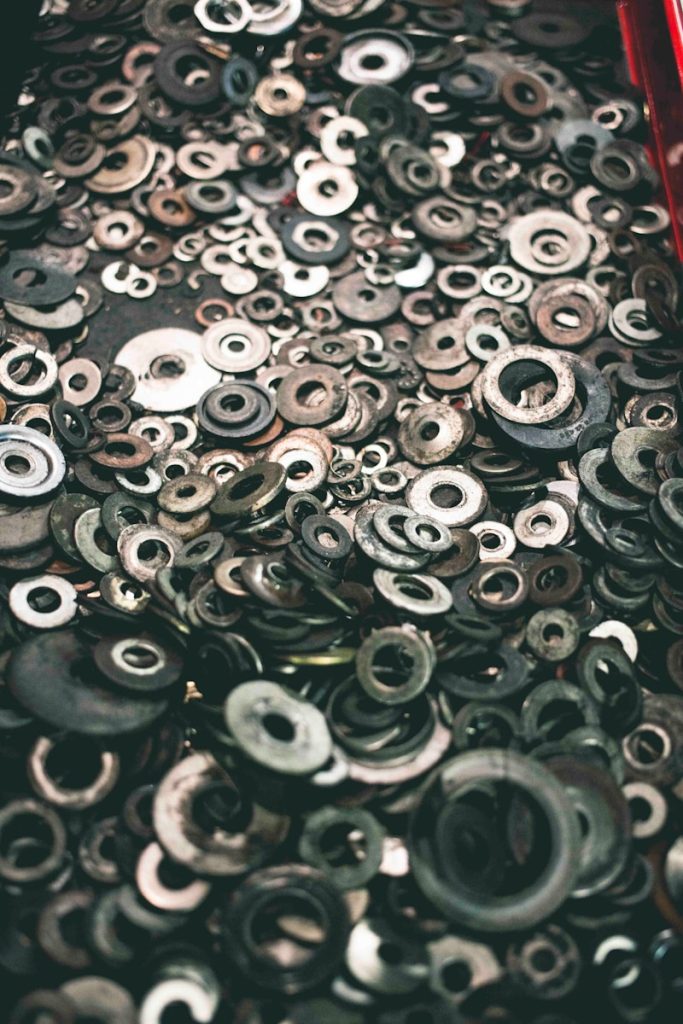
The variety of sealing materials available today reflects the diverse requirements of modern thermal systems. Gasket sheets manufactured from compressed fiber, rubber, or composite materials address applications across the temperature spectrum, from cooling water systems to moderate-pressure steam lines. Plant maintenance teams must evaluate multiple factors when selecting sealing solutions, including chemical compatibility, temperature range, pressure rating, and bolt load requirements. A cooling tower application demands different material properties than a superheated steam line, yet both require reliable sealing to maintain system efficiency. The economic impact of proper material selection becomes evident when comparing replacement intervals, with premium materials often delivering lower lifecycle costs despite higher initial investment. Many facilities maintain inventories of various gasket sheets in standard sizes, enabling rapid response to maintenance needs without costly production delays.
Engineering solutions for demanding flanges
Complex flange configurations in modern power generation equipment sometimes require engineered sealing solutions that exceed the capabilities of flat gasket designs. Kammprofile gaskets combine a serrated metal core with soft facing materials, creating a hybrid design that delivers exceptional sealing performance under high pressure and temperature conditions. The serrated profile concentrates sealing stress along concentric ridges, requiring lower bolt loads to achieve effective sealing compared to solid metal gaskets. This design proves particularly valuable in turbine casings, pressure vessels, and heat exchangers where thermal cycling and vibration challenge conventional gaskets. The metal core provides structural stability that prevents gasket extrusion and blowout, while the soft facings accommodate surface imperfections and maintain sealing contact across the flange face. Facilities operating critical equipment increasingly specify kammprofile gaskets for applications where reliability cannot be compromised and where unplanned shutdowns carry substantial financial penalties.
Proactive maintenance strategies that preserve efficiency
How often should thermal system components undergo inspection and maintenance? Industry best practices recommend condition-based monitoring supplemented by scheduled inspections aligned with operational history and manufacturer recommendations. Thermal imaging surveys identify hot spots indicating insulation deficiencies or internal problems before they escalate into failures. Vibration analysis detects bearing wear and alignment issues that compromise rotating equipment efficiency. Ultrasonic testing pinpoints steam leaks invisible to visual inspection, enabling targeted repairs that recover lost energy. These diagnostic techniques shift maintenance philosophy from reactive repairs to predictive intervention, reducing both costs and downtime. Documentation of inspection findings, repair history, and performance trends creates institutional knowledge that guides future decision-making and capital planning.
Optimizing combustion and heat transfer processes
Combustion efficiency directly determines fuel consumption and emissions in thermal power generation. Maintaining proper air-fuel ratios requires regular calibration of control systems and cleaning of burner components that accumulate deposits over time. A one-percent improvement in combustion efficiency can yield substantial savings across a year of continuous operation. Heat exchanger performance degrades gradually as fouling accumulates on tube surfaces, reducing heat transfer coefficients and forcing systems to work harder to achieve desired outputs. Scheduled cleaning based on performance monitoring rather than arbitrary time intervals maximizes efficiency while minimizing unnecessary maintenance interventions. Water chemistry management prevents scale formation and corrosion that compromise both efficiency and equipment longevity, with proper treatment programs delivering returns many times their cost.
The economic imperative of systematic efficiency programs
Maintaining efficiency in power generation and thermal systems delivers measurable financial benefits that justify dedicated resources and management attention. Benchmarking current performance against design specifications reveals the gap between actual and potential efficiency, quantifying improvement opportunities. Energy audits conducted by qualified professionals identify specific measures ranked by return on investment, enabling prioritization of capital and labor resources. Some improvements require minimal investment, such as repairing compressed air leaks or adjusting combustion controls, while others demand significant capital like upgrading to variable frequency drives or replacing inefficient equipment. The payback period for efficiency investments in industrial thermal systems typically ranges from months to three years, making these projects attractive compared to many alternative capital expenditures.
Training and competency development
Equipment sophistication continues increasing, yet many facilities struggle with knowledge gaps as experienced personnel retire. Investing in operator and maintenance training ensures that staff understand system interdependencies and recognize early warning signs of developing problems. Competent operators make continuous micro-adjustments that optimize performance throughout shifting load conditions, while skilled maintenance technicians execute repairs correctly the first time, avoiding repeated failures. Developing internal expertise in specialized areas like vibration analysis, thermography, or materials selection reduces dependence on outside consultants and enables faster response to emerging issues. Cross-training creates operational flexibility and resilience against personnel absences or turnover.
What separates high-performing facilities from average ones? Consistent attention to detail, systematic monitoring, and disciplined execution of maintenance protocols create sustained efficiency advantages. The incremental improvements achieved through proper gasket selection, optimal combustion tuning, effective heat transfer maintenance, and reliable sealing all compound into substantial performance differences. Maintaining efficiency in power generation and thermal systems demands both technical knowledge and organizational commitment, but the rewards justify the effort through reduced costs, improved reliability, and enhanced environmental performance.
