

Industrial operations worldwide consume vast amounts of energy and resources while generating significant waste streams. Modern manufacturing facilities face mounting pressure to reduce their ecological footprint without compromising operational efficiency or safety standards. Minimizing environmental impact through advanced sealing technology has emerged as a critical strategy for companies seeking to balance production demands with sustainability goals, offering measurable benefits across multiple industrial sectors.
The hidden cost of sealing failures
Leaking industrial systems represent one of the most overlooked sources of environmental damage in manufacturing environments. When seals fail in chemical processing plants, petroleum refineries, or power generation facilities, the results extend far beyond simple maintenance headaches. A single compromised seal can release hundreds of gallons of hazardous fluids into containment areas, requiring costly cleanup procedures and disposal protocols. The United States Environmental Protection Agency estimates that fugitive emissions from leaking equipment account for approximately 40 percent of total volatile organic compound releases from industrial facilities. These leaks not only contaminate soil and groundwater but also contribute to air quality degradation in surrounding communities. Traditional sealing solutions often require frequent replacement cycles, generating substantial waste volumes that burden landfills and recycling systems. The cumulative environmental impact of these failures creates a compelling case for investing in more durable, reliable sealing technologies that prevent leaks before they occur.
Material innovation drives sustainability forward
The development of advanced sealing materials has revolutionized how industries approach leak prevention and environmental protection. Modern metal gaskets offer exceptional durability in extreme temperature and pressure conditions where conventional materials simply cannot perform. These specialized components withstand temperatures exceeding 1000 degrees Celsius while maintaining their sealing integrity across thousands of thermal cycles. Unlike elastomeric seals that degrade rapidly in harsh chemical environments, metal gaskets resist corrosion from acids, alkalis, and aggressive solvents commonly found in industrial processes. This longevity translates directly into reduced replacement frequency, minimizing both maintenance downtime and the waste stream associated with disposing of failed sealing components. Engineers increasingly specify these advanced materials for critical applications in aerospace, chemical processing, and energy production where environmental compliance cannot be compromised. The initial investment in premium sealing materials typically returns substantial dividends through extended service life and elimination of costly environmental incidents. Many facilities report achieving seal life spans exceeding ten years with proper installation and maintenance protocols, compared to annual or even quarterly replacement schedules for traditional options.
Precision manufacturing reduces waste at the source
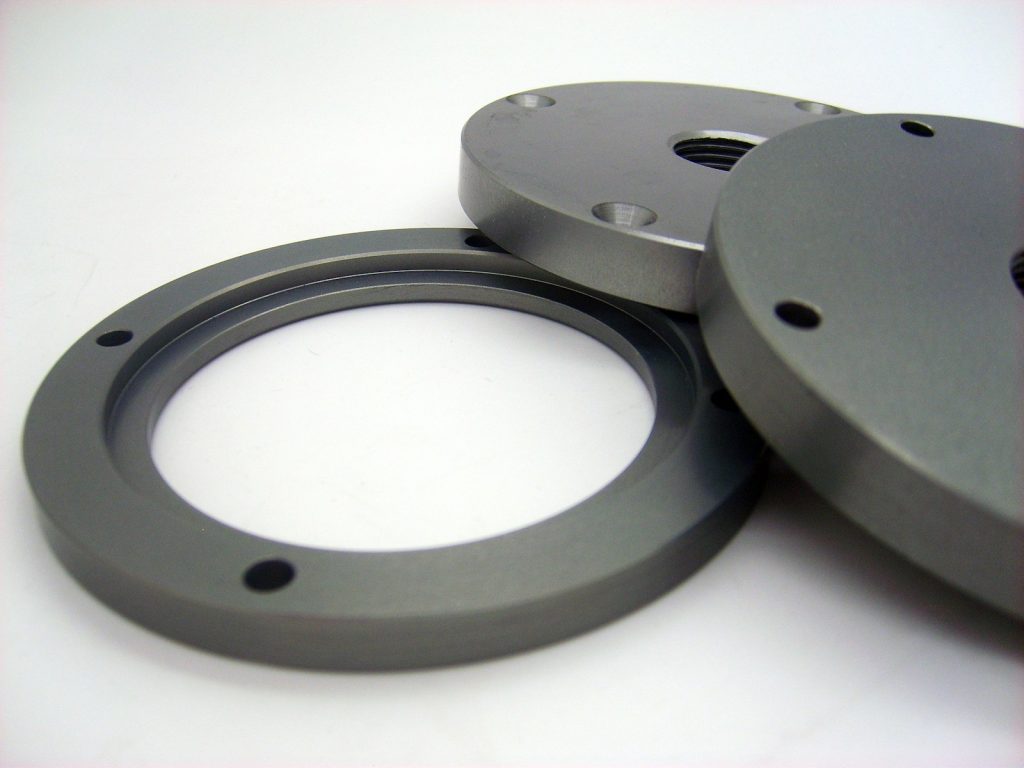
Modern production techniques for gasket sheets have transformed these essential components from commodity items into precision-engineered solutions. Computer-controlled cutting systems now produce gasket sheets with tolerances measured in thousandths of an inch, ensuring optimal fit and performance in demanding applications. This precision eliminates the material waste traditionally associated with manual cutting and fitting processes, where workers might discard 20 to 30 percent of raw material as trim waste. Advanced nesting algorithms optimize material usage by arranging multiple gasket profiles on a single sheet, maximizing yield from each production run. Some manufacturers report achieving material utilization rates exceeding 95 percent through these optimized cutting methods. The environmental benefits extend beyond waste reduction to include decreased energy consumption during production and lower transportation costs due to improved material efficiency. Facilities that adopt these precision-manufactured components typically observe measurable improvements in installation time and seal performance consistency across their operations.
Predictive maintenance enhances environmental protection
The integration of monitoring technologies with advanced sealing systems creates new opportunities for preventing environmental releases before they occur. Ultrasonic sensors can detect the earliest signs of seal degradation, identifying microscopic leaks long before they become visible problems. Thermal imaging cameras reveal temperature anomalies that indicate improper sealing or material breakdown in real-time operation. These diagnostic tools enable maintenance teams to schedule interventions during planned downtime rather than responding to emergency situations that often result in environmental releases. How much environmental damage could be prevented if every facility adopted proactive monitoring strategies? Studies from the chemical processing industry demonstrate that predictive maintenance programs reduce unplanned shutdowns by 50 to 70 percent while simultaneously cutting environmental incidents by similar margins. The data collected from monitoring systems also provides valuable insights for optimizing sealing specifications in future applications, creating a continuous improvement cycle that enhances both operational reliability and environmental performance.
Lifecycle thinking transforms procurement decisions
Forward-thinking organizations now evaluate sealing technology through a comprehensive lifecycle lens rather than focusing solely on initial purchase costs. This analytical approach considers manufacturing energy consumption, transportation impacts, installation requirements, operational reliability, maintenance demands, and end-of-life disposal implications. Metal gaskets manufactured from recyclable alloys offer distinct advantages in this framework, as they can be collected and reprocessed rather than contributing to landfill volumes. Some specialty alloys retain 80 to 90 percent of their market value as scrap material, creating economic incentives for proper collection and recycling. The extended service life of advanced sealing technologies dramatically reduces the frequency of manufacturing, transportation, and installation activities associated with replacement cycles. One petrochemical facility documented a 60 percent reduction in seal-related waste generation over a five-year period following the conversion to advanced sealing materials in critical applications. These lifecycle benefits compound over time, delivering increasingly significant environmental advantages as facilities extend their operational periods between major overhauls. Organizations that embrace this holistic perspective often discover that premium sealing solutions deliver lower total environmental impact despite higher upfront costs.
Regulatory compliance drives technological adoption
Increasingly stringent environmental regulations worldwide are accelerating the adoption of advanced sealing technologies across industrial sectors. The European Union’s Industrial Emissions Directive establishes strict limits on fugitive emissions, compelling facilities to implement best available technologies for leak prevention. In the United States, the EPA’s Leak Detection and Repair program requires regular monitoring and prompt remediation of sealing failures in covered facilities. These regulatory frameworks create powerful incentives for investing in sealing systems that deliver superior long-term reliability. Companies that proactively adopt advanced technologies position themselves ahead of regulatory curves while avoiding the penalties and reputational damage associated with compliance failures. Can your facility afford the consequences of preventable environmental releases in today’s regulatory environment? The financial implications extend beyond immediate fines to include increased insurance premiums, stricter permit conditions, and enhanced monitoring requirements that burden operations for years following violations. Organizations that view minimizing environmental impact through advanced sealing technology as a strategic priority rather than a compliance burden consistently outperform competitors in both operational efficiency and environmental stewardship metrics.
The convergence of material science innovation, precision manufacturing, predictive maintenance capabilities, and lifecycle thinking has elevated sealing technology from a mundane maintenance concern to a strategic environmental tool. Facilities that thoughtfully integrate these advances into their operations achieve measurable reductions in emissions, waste generation, and resource consumption while simultaneously improving operational reliability and safety performance. The path forward requires commitment to continuous improvement and willingness to challenge traditional procurement practices that prioritize initial cost over long-term value and environmental responsibility.
