
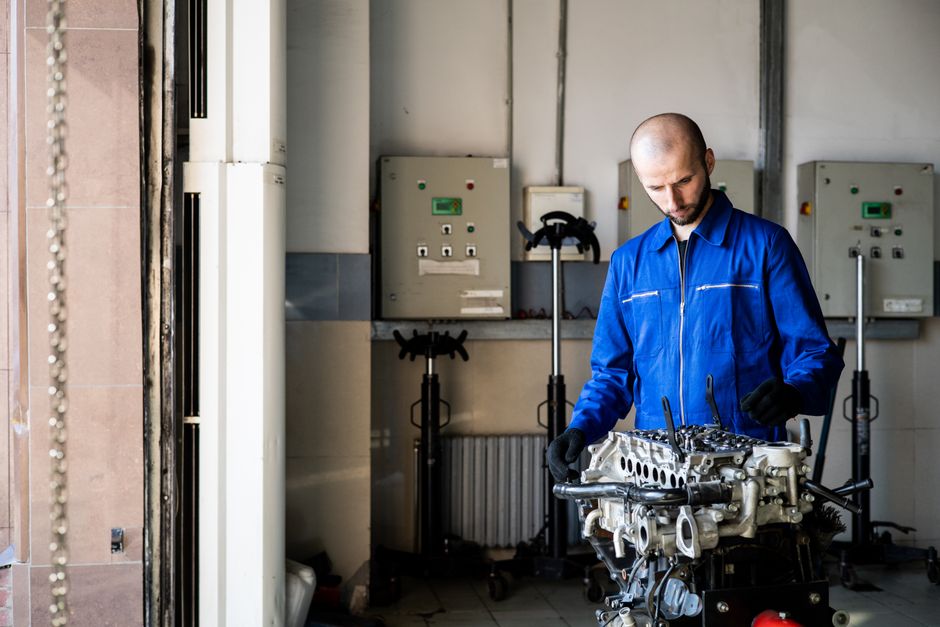
Maintaining your vehicle’s engine performance through regular inspections is not just about preventing breakdowns on the highway. It’s about safeguarding your investment, ensuring your safety, and avoiding costly repairs that could have been prevented with timely attention. The engine is the heart of your vehicle, and like any vital organ, it requires consistent monitoring to function at its best. Regular inspections can detect minor issues before they escalate into major problems, potentially saving you thousands of dollars in repair costs. Most automotive experts recommend a thorough engine inspection every six months or every 10,000 kilometers, whichever comes first. This proactive approach ensures that your vehicle maintains optimal fuel efficiency, reduces harmful emissions, and delivers the reliable performance you expect every time you turn the key.
Essential components to check during inspections
Every comprehensive engine inspection should cover several critical areas that directly impact performance and longevity. The cooling system deserves particular attention, as overheating remains one of the leading causes of engine failure. Check coolant levels regularly and inspect hoses for cracks, bulges, or soft spots that indicate deterioration. The radiator cap should maintain proper pressure, typically between 13 to 16 PSI for most vehicles. Oil quality and level are equally crucial, as engine oil lubricates moving parts, reduces friction, and helps dissipate heat. Dark, gritty oil indicates it’s time for a change, usually recommended every 5,000 to 7,500 kilometers depending on your driving conditions. The air filter, often overlooked, plays a vital role in engine efficiency by preventing dirt and debris from entering the combustion chamber. A clogged air filter can reduce fuel economy by up to 10 percent and rob your engine of power.
Understanding gasket sheets and sealing systems
One of the most critical yet frequently neglected aspects of engine maintenance involves the various sealing components that keep fluids where they belong. Gasket sheets form barriers between engine components, preventing oil, coolant, and combustion gases from leaking. These thin layers of material, typically made from rubber, cork, or composite materials, must withstand extreme temperatures and pressures while maintaining their integrity. During inspections, mechanics should look for signs of seepage around valve covers, oil pans, and cylinder heads. Even small leaks can indicate that gasket sheets have degraded and need replacement. Modern vehicles use multiple types of gaskets throughout the engine bay, each designed for specific applications and temperature ranges. Replacing worn gaskets promptly prevents minor leaks from becoming major failures that could leave you stranded or cause serious engine damage.
Timing belt and chain considerations
The timing system represents one of the most critical components requiring regular inspection, yet many vehicle owners overlook it until catastrophic failure occurs. Timing belts typically require replacement every 80,000 to 100,000 kilometers, though this varies by manufacturer and model. Visual inspections can reveal cracks, fraying, or glazing on the belt surface, all warning signs of impending failure. Timing chains, while generally more durable, still require monitoring for proper tension and lubrication. A rattling noise from the engine during startup often indicates a stretched timing chain that needs attention. Failure of either component can result in bent valves, damaged pistons, and repair bills exceeding several thousand dollars. Does your maintenance log show when this critical component was last inspected? If you’re uncertain, schedule an inspection immediately, as the cost of preventive replacement pales in comparison to engine rebuilding expenses.
The role of ba u filters in engine protection
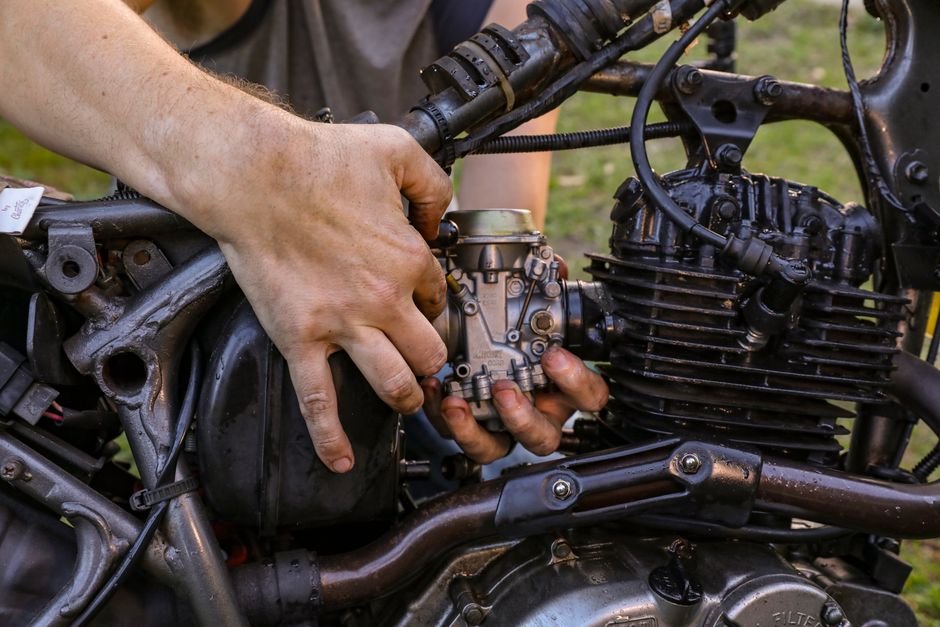
Modern engines rely on sophisticated filtration systems to maintain clean oil circulation throughout thousands of operating hours. The ba u filter, designed to remove contaminants from engine oil, requires regular inspection and replacement according to manufacturer specifications. Most quality ba u filters can effectively trap particles as small as 25 to 30 microns, preventing them from circulating through bearings, cylinder walls, and other precision surfaces. During oil changes, always replace the filter with a unit meeting or exceeding original equipment specifications. Cut-rate filters may save a few dollars initially but often lack the filtration efficiency and structural integrity needed for adequate engine protection. Signs of a clogged or failing filter include reduced oil pressure, unusual engine noise, or decreased performance under acceleration. Regular inspection of the filter housing also reveals potential leaks that could lead to oil loss and engine damage.
Spark plugs and ignition system maintenance
The ignition system directly affects engine performance, fuel economy, and emissions output. Spark plugs should be inspected every 30,000 kilometers and typically replaced between 60,000 and 100,000 kilometers, depending on the plug type. Platinum and iridium plugs last longer than traditional copper plugs but cost more upfront. During inspection, look for excessive electrode wear, carbon buildup, or insulator damage. The gap between electrodes must meet manufacturer specifications, usually between 0.028 and 0.060 inches. Ignition coils, which generate the high voltage needed to create sparks, can fail over time and cause misfires, rough idling, and reduced fuel efficiency. Modern vehicles equipped with individual coil-on-plug systems require inspection of each coil and its electrical connections. A misfiring cylinder not only reduces power but can also damage the catalytic converter, turning a simple maintenance issue into an expensive repair.
Maintaining your vehicle’s engine performance through regular inspections: developing a schedule
Creating a consistent inspection schedule tailored to your driving habits ensures nothing falls through the cracks. Vehicles used primarily for short trips in urban environments require more frequent attention than those driven mainly on highways. Stop-and-go traffic generates more wear on engine components due to incomplete combustion and inadequate operating temperatures. Keep a detailed maintenance log documenting every inspection, noting any observations or concerns raised by your mechanic. This record becomes invaluable when diagnosing recurring issues or establishing patterns of component wear. Many modern vehicles include onboard diagnostic systems that monitor various engine parameters and alert drivers to potential problems. However, these systems cannot detect everything, making visual inspections by trained technicians essential for comprehensive engine care. Set calendar reminders for scheduled inspections to ensure you never miss critical maintenance intervals.
Professional versus do-it-yourself inspections
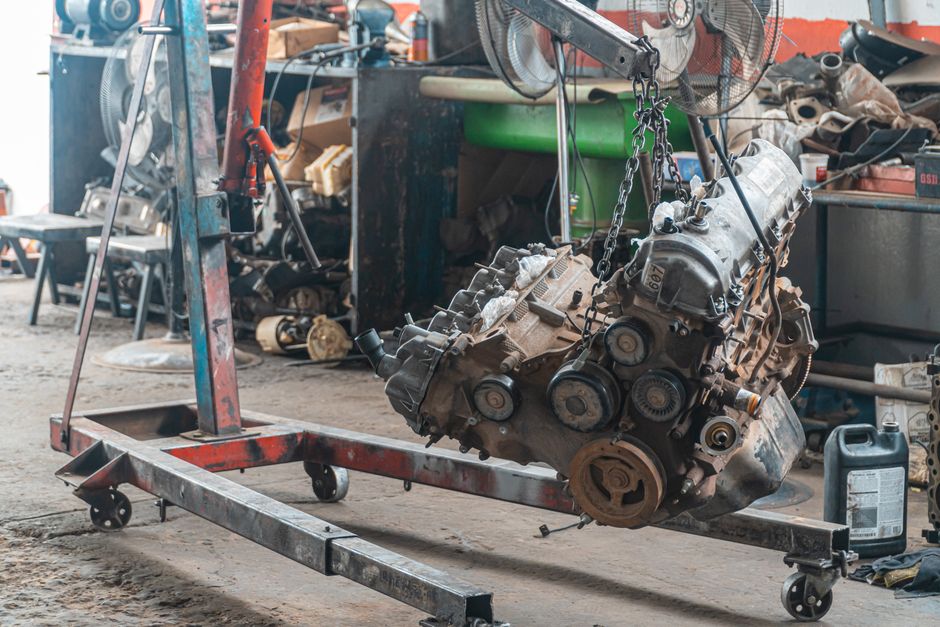
While some basic checks can be performed by vehicle owners with minimal mechanical knowledge, comprehensive engine inspections require professional expertise and specialized equipment. Checking fluid levels, inspecting belts for obvious damage, and monitoring dashboard warning lights represent reasonable owner-performed tasks. However, diagnosing subtle issues like compression problems, valve seal deterioration, or timing chain stretch demands professional knowledge and tools. Professional mechanics use diagnostic scanners that read trouble codes and monitor real-time engine data, providing insights impossible to obtain through visual inspection alone. Compression testing, cylinder leakage tests, and exhaust gas analysis require equipment beyond what most home mechanics possess. The investment in professional inspections typically pays for itself through early problem detection and proper repairs performed correctly the first time. Can you really afford to gamble with your engine’s health by skipping professional evaluations?
The long-term benefits of consistent engine care
Vehicles that receive regular, thorough inspections consistently outperform and outlast those subjected to neglect or reactive maintenance approaches. Maintaining your vehicle’s engine performance through regular inspections extends engine life by 50 percent or more compared to vehicles serviced only when problems arise. This proactive strategy also maintains resale value, as documented maintenance records demonstrate responsible ownership to potential buyers. Fuel economy remains optimized when all engine systems function correctly, saving money at the pump while reducing environmental impact. Insurance claims related to preventable mechanical failures may face scrutiny or denial, making regular maintenance a financial safeguard. Beyond these practical benefits, the peace of mind knowing your vehicle has been properly maintained is invaluable, especially before long trips or during extreme weather conditions. Your engine works hard every time you drive, and regular inspections represent the minimum respect you should show this remarkable piece of engineering.
